Quiet Corners for Coffee Lovers
In many cities across Japan, the charm of café culture can often be found far away from crowded shopping streets and busy stations. Some of the most memorable experiences happen inside small local cafés hidden between quiet residential roads, narrow alleys, or peaceful riverside neighborhoods. These relaxing places attract visitors who are not only searching for coffee spots, but also looking for calm moments that feel separated from the fast rhythm of daily life.
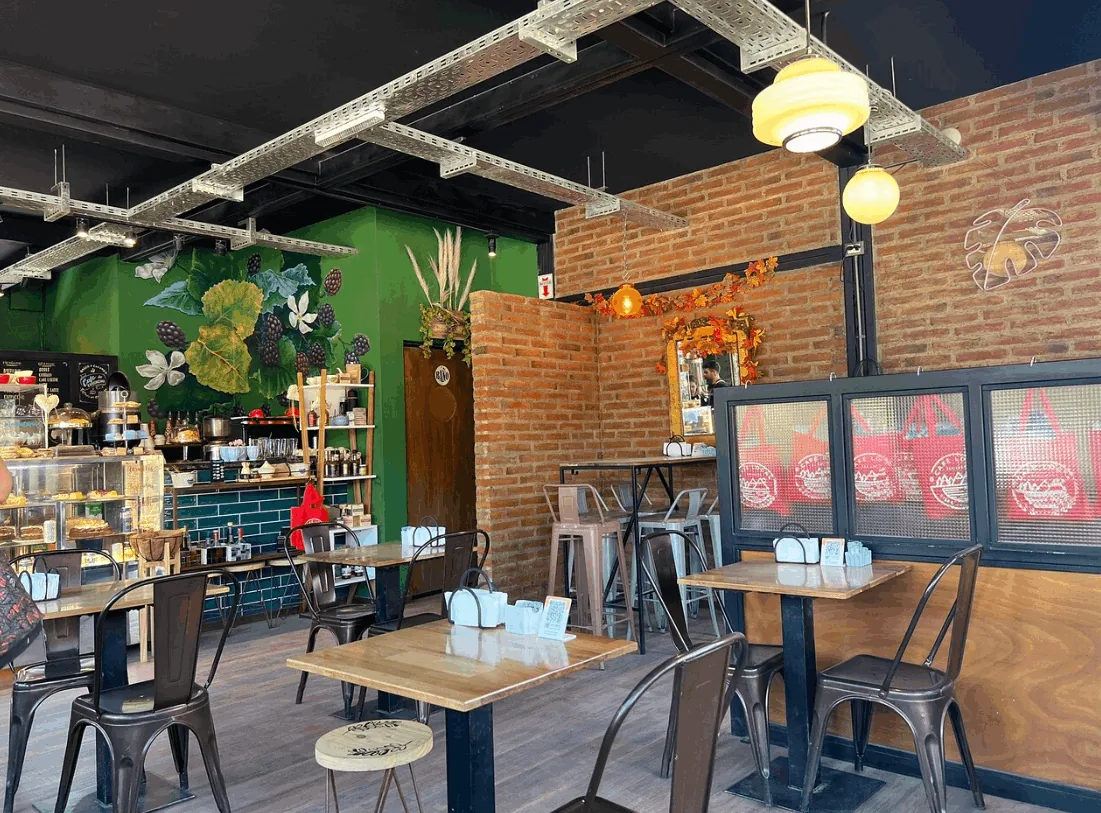
One reason café culture remains so meaningful is the atmosphere created inside these spaces. Soft music, warm lighting, wooden furniture, and carefully arranged shelves can completely change the mood of an ordinary afternoon. Many local cafés focus on creating environments where people feel comfortable staying for long periods of time. Visitors quietly read books, write notes in journals, or simply observe the world outside the window while enjoying the peaceful atmosphere of relaxing places designed for slow living.
Some coffee spots become popular because of their unique interiors, while others are appreciated for their silence and simplicity. In older neighborhoods, local cafés are sometimes located inside renovated traditional buildings that preserve elements of Japanese architecture. Sliding doors, handmade decorations, and natural materials create spaces where café culture feels connected to history and local identity. These details help visitors feel that each café has its own personality rather than looking identical to every other modern space.
Rainy afternoons often make relaxing places feel even more comforting. The sound of rain against windows, the smell of fresh coffee, and the warmth inside quiet coffee spots create an atmosphere that many people associate with emotional comfort. Some visitors intentionally search for local cafés during cloudy weather because the slower mood encourages reflection and creativity. Café culture in Japan often embraces these seasonal feelings, allowing guests to enjoy the emotional atmosphere created by changing weather and natural light.
Students and remote workers are also drawn toward peaceful coffee spots because they offer balance between productivity and relaxation. Many local cafés provide quiet environments where concentration feels easier than in louder public spaces. The gentle background sounds of cups, conversation, and music often help visitors focus without feeling isolated. In this way, café culture becomes part of daily routines rather than only a weekend activity.
Another reason people appreciate relaxing places is the sense of human connection they quietly encourage. Unlike crowded restaurants or noisy entertainment areas, local cafés often inspire softer conversations and slower interactions. Some regular visitors become familiar with certain coffee spots because they recognize comforting details each time they return. Even without speaking much, people may feel emotionally connected to a café through atmosphere, routine, and memory.
Morning hours create a completely different feeling inside local cafés compared to evenings. Early sunlight entering through large windows can make coffee spots feel bright, calm, and full of possibility. Many visitors enjoy arriving shortly after opening hours to experience peaceful moments before the city becomes busy. This quiet side of café culture appeals to readers, writers, and travelers searching for relaxing places that encourage mindfulness at the beginning of the day.
In the evening, the atmosphere often changes into something softer and more reflective. Warm lamps replace sunlight, conversations become quieter, and coffee spots develop a sense of stillness that feels comforting after work or study. Some local cafés extend this atmosphere through carefully selected music or seasonal decorations that help guests feel connected to the passing time of year. Café culture frequently reflects these subtle emotional transitions, allowing visitors to experience familiar spaces differently depending on the hour.
Travelers exploring Japan sometimes discover their favorite relaxing places accidentally rather than through recommendations. A small sign near a staircase, a quiet garden entrance, or the smell of coffee drifting from an open door may lead someone toward unforgettable local cafés hidden from busy tourist routes. These discoveries often become more memorable because they feel personal and unexpected. Many people later remember not only the drinks they enjoyed, but also the calm atmosphere surrounding those coffee spots.
Social media has changed the way many people explore café culture, but some visitors still prefer discovering local cafés slowly and naturally. Instead of searching only for visually famous coffee spots, they enjoy wandering through neighborhoods and observing quiet details that cannot always be captured in photographs. Relaxing places often leave stronger emotional impressions when discovered without expectations, allowing visitors to experience genuine surprise and comfort.
The popularity of minimalist interiors has also influenced modern café culture throughout Japan. Many local cafés now combine natural materials, open space, and soft colors to create relaxing places that reduce visual stress. This approach reflects a growing appreciation for simplicity and intentional design. Visitors often describe these coffee spots as calming because they avoid unnecessary distractions and encourage guests to focus on conversation, reading, or personal reflection.
Despite changing trends, the emotional role of local cafés remains consistent. People continue searching for relaxing places where they can pause, recharge, and experience quiet comfort during busy weeks. Whether someone visits elegant coffee spots in urban neighborhoods or traditional cafés near small streets, the experience often becomes meaningful because of atmosphere rather than appearance alone. Café culture continues evolving while preserving its ability to create moments of calm connection inside everyday life.
For many coffee lovers, the most valuable café experiences are not connected to popularity or luxury. Instead, they are connected to silence, warmth, memory, and small details that create emotional comfort. Local cafés remain important because they provide spaces where people can slow down and appreciate ordinary moments. Through peaceful coffee spots and thoughtfully designed relaxing places, café culture continues offering gentle inspiration to anyone searching for calm experiences in modern life.