Hidden Café Streets in Kyoto
Kyoto is often associated with temples, gardens, and quiet traditions, but many visitors quickly discover that the city also holds a unique and deeply atmospheric café culture. Beyond the famous landmarks and busy tourist areas, there are narrow streets filled with local cafés that quietly shape the rhythm of everyday life. These peaceful coffee spots are hidden between old wooden houses, small bookstores, art spaces, and residential corners where time seems to move more slowly. For many travelers and residents, exploring these relaxing places becomes one of the most memorable parts of experiencing Kyoto.
Walking through Kyoto early in the morning feels completely different from visiting larger modern cities. The streets remain calm, bicycles move quietly past traditional buildings, and soft sunlight reflects against stone pathways and wooden walls. In these quiet neighborhoods, local cafés begin opening their doors while the city is still waking up. Some coffee spots display handwritten signs near the entrance, while others remain almost invisible until visitors notice the warm light inside. This subtle atmosphere is an important part of Kyoto’s café culture, where discovery often feels personal and unplanned.
Many relaxing places in Kyoto are located inside renovated traditional townhouses that preserve elements of older Japanese architecture. Wooden beams, paper screens, small gardens, and narrow hallways create intimate interiors that immediately separate visitors from the outside world. Unlike louder urban coffee spots focused on speed and modern design, many local cafés in Kyoto emphasize stillness and comfort. Guests are encouraged to slow down, enjoy the atmosphere, and appreciate details that would normally pass unnoticed during a busy day.
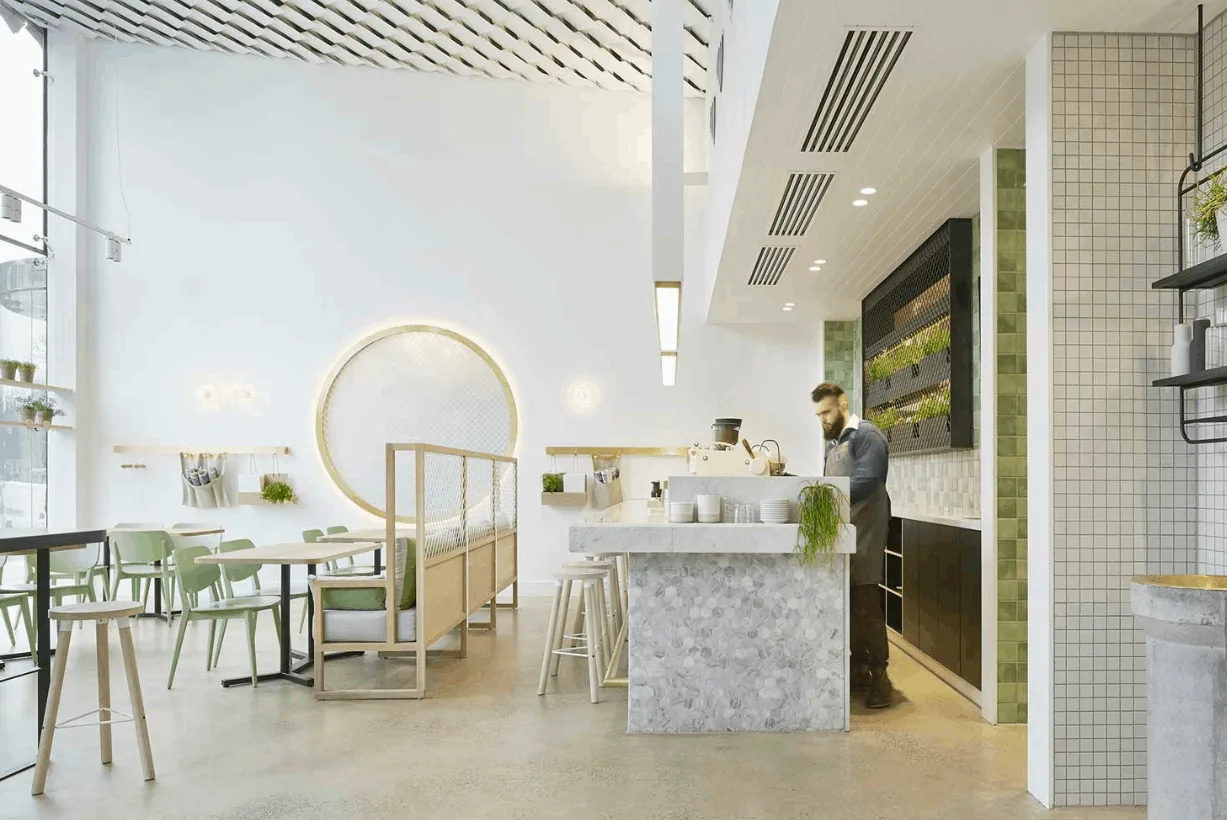
One of the most interesting aspects of Kyoto’s café culture is the balance between tradition and creativity. Some local cafés maintain a nostalgic atmosphere with antique furniture, classical music, and handwritten menus, while others introduce modern artistic ideas through minimalist interiors and contemporary design. Despite these differences, many coffee spots share the same quiet philosophy of creating relaxing places where visitors feel emotionally comfortable rather than rushed.
Seasonal changes strongly influence the atmosphere inside Kyoto cafés. During spring, soft cherry blossom colors appear outside windows and small gardens near local cafés become peaceful spaces filled with natural light. Summer brings slower afternoons when visitors search for relaxing places hidden from the heat. In autumn, warm tones and rainy weather make many coffee spots feel especially comforting, while winter mornings create calm environments where hot drinks and soft lighting become part of the seasonal experience. Café culture in Kyoto often reflects these subtle transitions, allowing guests to feel connected to nature even while sitting indoors.
Many travelers exploring Kyoto eventually realize that some of the best experiences happen away from major tourist streets. A quiet alley near an old market, a riverside path lined with bicycles, or a small staircase beside traditional houses may suddenly reveal hidden coffee spots filled with warmth and personality. These local cafés often leave lasting impressions because they feel connected to the surrounding neighborhood rather than designed only for visitors. Some relaxing places even become emotional memories associated with certain moments, weather, or conversations during a trip.
Students, artists, and writers are frequently drawn toward Kyoto’s café culture because many spaces encourage concentration and reflection. Inside local cafés, visitors quietly read books, sketch in notebooks, or spend hours writing near large windows. The gentle background sounds of coffee preparation, quiet conversations, and soft music help create relaxing places where creativity feels natural. Unlike louder public environments, these coffee spots often provide a sense of calm that supports focus without isolation.
The lighting inside Kyoto cafés also plays an important role in shaping atmosphere. Natural light entering through old windows during the afternoon creates soft shadows across wooden tables and traditional interiors. In the evening, warm lamps and candlelight transform local cafés into peaceful spaces that feel almost cinematic. This attention to atmosphere is one reason why café culture remains deeply appreciated in Kyoto. Visitors are not only searching for drinks, but also for emotional experiences connected to comfort, silence, and visual harmony.
Rainy days reveal another side of Kyoto’s relaxing places. The sound of rain against tiled roofs and narrow streets creates a mood that feels both nostalgic and peaceful. During these quiet afternoons, many people intentionally visit coffee spots where they can sit near windows, observe the changing weather, and enjoy the calm atmosphere created by the rain. Local cafés often feel especially welcoming during these moments, offering warmth and stillness while the outside world slows down.
Unlike fast-moving café trends found in larger commercial districts, many Kyoto coffee spots maintain a slower and more thoughtful identity. Some local cafés have remained unchanged for years, preserving routines and interior details that regular visitors recognize immediately. This consistency creates emotional attachment and helps people feel connected to the space. Café culture in Kyoto often values familiarity and atmosphere more than novelty, which is why many relaxing places continue attracting loyal visitors over long periods of time.
Exploring Kyoto through cafés also allows people to experience neighborhoods from a more personal perspective. Sitting quietly inside local cafés gives visitors time to observe daily life, changing light, seasonal weather, and the movement of nearby streets. These small moments often become more meaningful than crowded attractions because they feel authentic and unforced. Coffee spots hidden inside residential districts reveal a calmer side of Kyoto that many travelers never fully experience.
As modern life becomes increasingly fast and digitally connected, the quiet atmosphere of Kyoto’s relaxing places continues attracting people searching for balance and stillness. Café culture in the city remains special because it combines emotional warmth, thoughtful design, and a strong connection to local identity. Whether visitors spend time inside elegant modern coffee spots or traditional local cafés filled with history, the experience often creates a lasting sense of calm.
For many people, Kyoto is remembered not only through famous temples or historic streets, but also through hidden cafés discovered unexpectedly during peaceful walks. These relaxing places offer moments of silence, reflection, and comfort that remain in memory long after the journey ends. Through quiet coffee spots and carefully preserved local cafés, Kyoto continues showing how café culture can become an important part of experiencing the emotional atmosphere of a city.