Slow Afternoons in Local Cafés
There is something deeply comforting about spending a slow afternoon inside quiet local cafés. As sunlight gradually changes throughout the day and the outside streets become calmer, many people begin searching for relaxing places where they can pause for a while and disconnect from busy routines. In Japan, café culture often embraces these peaceful moments by creating environments designed not for speed, but for comfort, reflection, and quiet enjoyment. Some coffee spots become memorable not because of excitement or popularity, but because they allow visitors to feel calm in a world that rarely slows down.
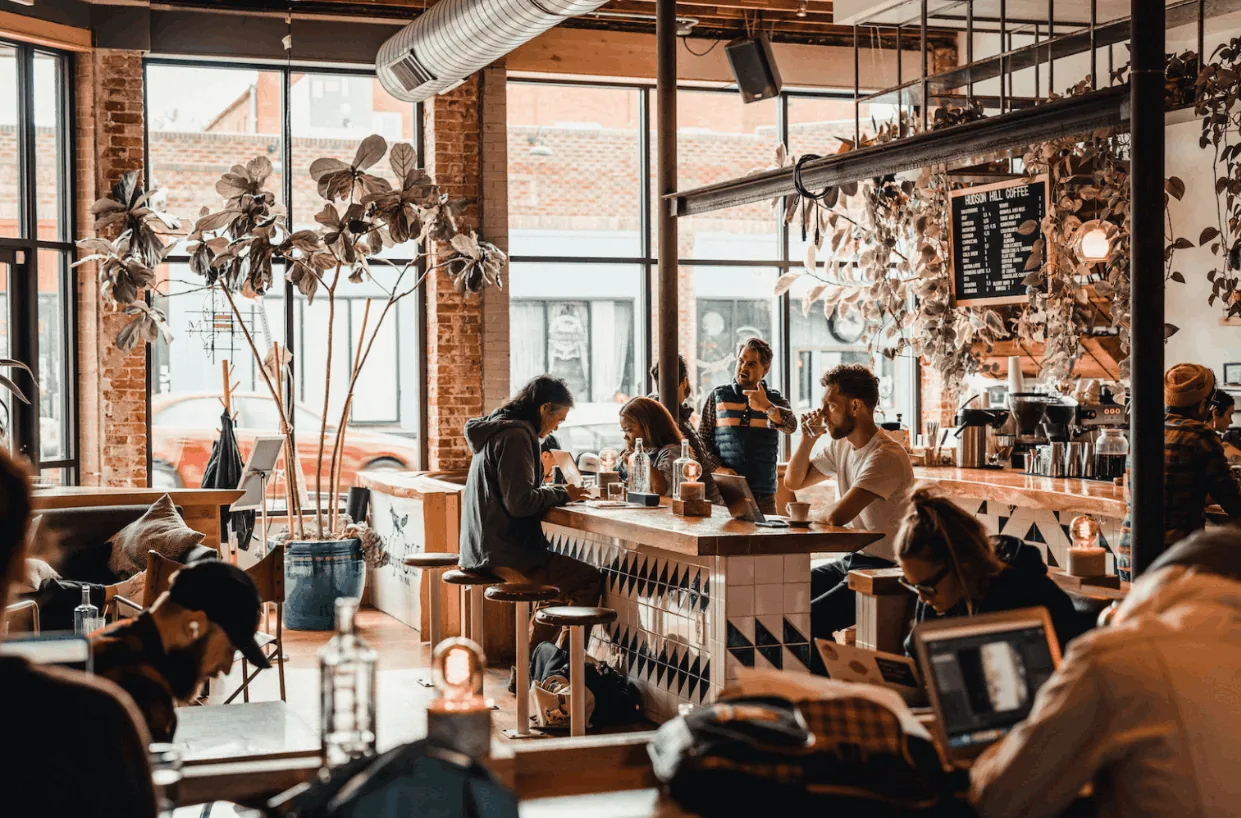
Afternoons inside local cafés carry a different atmosphere from busy mornings or crowded evenings. The energy becomes softer and quieter, with fewer people entering and more visitors staying for longer periods of time. Many relaxing places encourage this slower rhythm through warm lighting, gentle music, and carefully arranged interiors that make guests feel welcome without pressure. People sit near windows reading books, writing notes, or simply observing the movement of clouds and passing bicycles outside. These ordinary scenes become part of the emotional experience that café culture continues to offer.
One of the reasons slow afternoons feel so meaningful inside coffee spots is the way time seems to change. In louder environments, hours often pass unnoticed, but inside peaceful local cafés every detail becomes more visible. The sound of cups being placed on wooden tables, the quiet movement of sunlight across walls, and the smell of fresh coffee all contribute to an atmosphere that encourages mindfulness. Many visitors begin appreciating small details they would normally ignore during busy schedules.
Some local cafés are hidden inside residential neighborhoods where daily life feels naturally slower. Narrow streets, old buildings, and quiet gardens surrounding these coffee spots create relaxing places that feel separated from modern urban pressure. Visitors often discover such cafés accidentally while walking without a strict destination. These unexpected discoveries frequently become stronger memories because they feel personal and authentic. Café culture in Japan often values this sense of quiet discovery more than loud visibility or large crowds.
Rainy afternoons create another layer of comfort inside relaxing places. The sound of rain against windows and rooftops transforms many coffee spots into peaceful shelters where guests can escape noisy streets and changing weather. Some people intentionally choose rainy days to visit local cafés because the atmosphere becomes softer and more reflective. Warm drinks, dim lighting, and the gentle silence created by the rain allow visitors to slow their thoughts and enjoy stillness for a while.
Writers, students, and artists are often drawn toward café culture because quiet afternoons provide ideal environments for concentration and creativity. Many local cafés naturally support focus through balanced sound, comfortable seating, and calm visual design. Unlike louder public spaces, peaceful coffee spots allow visitors to work without feeling overwhelmed. The surrounding atmosphere becomes part of the creative process itself, helping people think more clearly while remaining emotionally relaxed.
The design of relaxing places also influences how visitors experience time. Some local cafés use traditional wooden interiors, handmade decorations, and natural colors to create warmth and familiarity. Others prefer minimalist styles with open space, large windows, and soft lighting that reduce visual stress. Despite their differences, these coffee spots often share the same goal of making guests feel comfortable enough to remain present in the moment. Café culture continues evolving through these design choices while maintaining a strong connection to emotional comfort.
Many people visit local cafés not only to enjoy coffee, but also to experience a temporary pause from digital life and constant movement. Slow afternoons create opportunities to sit quietly without needing to achieve anything immediately. Some visitors spend hours inside relaxing places simply thinking, observing, or enjoying silence. In modern society, where productivity is constantly emphasized, these peaceful moments inside coffee spots can feel surprisingly valuable.
Seasonal changes also shape the atmosphere of café culture throughout the year. During autumn, warm light and cooler weather make local cafés feel especially inviting. Winter afternoons encourage visitors to search for relaxing places filled with warmth and soft music, while spring brings brighter sunlight and open windows that refresh quiet coffee spots with fresh air and seasonal colors. Even summer afternoons, though warmer and slower, create unique moods where shaded cafés become calm shelters from the heat outside.
Another reason people enjoy spending slow afternoons in local cafés is the emotional feeling of anonymity combined with comfort. Visitors can remain quietly alone while still feeling connected to the gentle activity around them. The soft background sounds of conversation, movement, and coffee preparation create a sense of presence without demanding interaction. Café culture often provides this balance between solitude and community, making relaxing places feel emotionally safe for many different personalities.
Regular visitors sometimes develop personal routines connected to certain coffee spots. Some always choose the same table near the window, while others return during specific hours because they enjoy the afternoon atmosphere. Over time, local cafés can become emotionally connected to memories, habits, and important life moments. A peaceful afternoon spent reading during difficult times or reflecting after a long day may remain associated with a particular relaxing place for years afterward.
Unlike fast-moving entertainment spaces, many coffee spots encourage guests to appreciate simplicity. A cup placed carefully beside a notebook, sunlight moving across a table, or the quiet sound of pages turning can become meaningful parts of the experience. Café culture in Japan often embraces these subtle moments rather than focusing only on trends or visual presentation. The emotional value comes from atmosphere and feeling rather than constant stimulation.
Travelers exploring Japan sometimes discover that their strongest memories are connected not to famous attractions, but to peaceful afternoons spent inside local cafés. Sitting quietly while observing neighborhood life, seasonal weather, and changing light allows visitors to experience the emotional rhythm of a place more deeply. Relaxing places hidden away from tourist crowds often reveal a calmer and more personal side of the city.
As daily life becomes increasingly fast and connected, the importance of quiet coffee spots continues growing. People search for relaxing places where they can slow down, breathe more deeply, and feel present for a while. Through thoughtful interiors, warm atmosphere, and peaceful routines, local cafés continue showing why café culture remains emotionally meaningful. Slow afternoons spent inside these spaces remind visitors that comfort, silence, and simplicity can still hold great value in modern life.