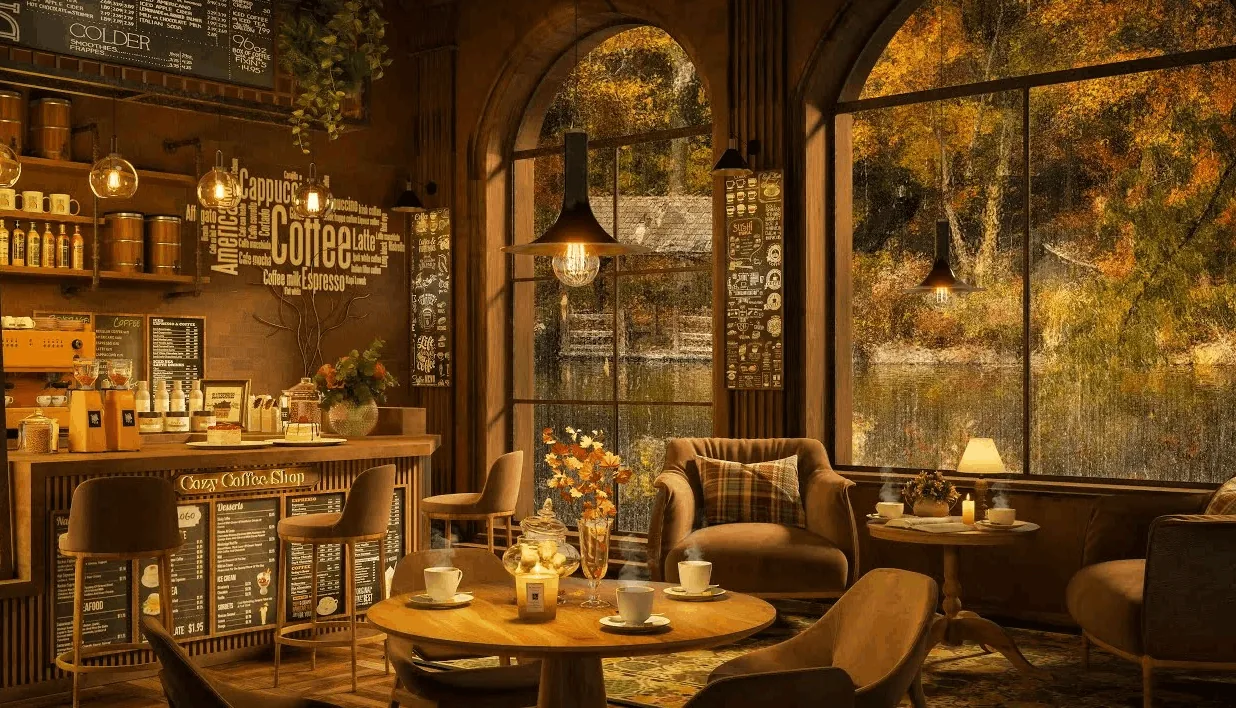
Relaxing Coffee Spots After Rain
Rain changes the atmosphere of cities in subtle and beautiful ways. Streets become quieter, reflections appear across sidewalks, and ordinary neighborhoods suddenly feel calmer and more cinematic. In Japan, many people enjoy spending rainy afternoons inside local cafés because the combination of soft weather, warm interiors, and quiet surroundings creates some of the most memorable relaxing places imaginable. Café culture often feels especially meaningful after rain, when coffee spots transform into peaceful shelters filled with warmth, reflection, and stillness.
Walking through narrow streets after rainfall reveals a slower side of urban life that is often hidden during busy hours. The air feels cooler, colors become deeper, and the sound of distant traffic softens beneath the steady rhythm of dripping water. In these moments, local cafés begin glowing gently against gray skies, their windows offering comfort and light to people searching for relaxing places where they can pause for a while. Many visitors are drawn toward quiet coffee spots almost instinctively during rainy weather because the atmosphere naturally encourages calmness.
One reason rainy afternoons feel so connected to café culture is the emotional contrast between outside and inside environments. Wet streets, umbrellas, and cool air make the warmth of local cafés feel even more welcoming. Stepping through the door into soft lighting and the smell of fresh coffee creates an immediate sense of comfort. These small transitions often become emotionally memorable, especially inside coffee spots designed with peaceful interiors and thoughtful details.
Many relaxing places in Japan embrace rainy weather rather than treating it as an inconvenience. Some local cafés position seats beside large windows so guests can quietly observe rain moving through nearby streets and gardens. Others use soft music and dim lighting to create atmospheres that feel calm and reflective during cloudy afternoons. Café culture frequently values these emotional experiences, where weather becomes part of the environment rather than something to avoid.
Rain also changes the soundscape inside coffee spots. Conversations often become softer, footsteps quieter, and outside noise more distant. Visitors settle into slower routines, spending longer periods reading books, writing notes, or simply watching water move across windows. Local cafés become spaces where silence feels natural rather than uncomfortable. Many people appreciate these relaxing places because they provide emotional balance during stressful or busy weeks.
Traditional architecture often makes rainy afternoons even more atmospheric inside older local cafés. Wooden interiors, paper lamps, and narrow windows create environments where the sound of rain becomes part of the experience itself. Some coffee spots located inside renovated historical buildings feel almost timeless during storms, allowing visitors to disconnect from modern routines for a while. Café culture in Japan often preserves this connection between architecture, weather, and emotional atmosphere.
The smell of coffee also feels different after rain. Warm aromas become more noticeable against cool humid air, filling relaxing places with a sense of comfort and familiarity. Many visitors associate rainy afternoons with specific memories connected to local cafés, such as reading quietly beside a window or escaping sudden weather during an evening walk. Over time, these small experiences become emotionally tied to certain coffee spots and remain memorable long after the day ends.
For writers, artists, and students, rainy weather often creates ideal conditions for concentration. Quiet coffee spots provide enough activity to feel comforting while remaining peaceful enough for reflection and creative work. The gentle rhythm of rainfall outside local cafés can help people focus more naturally than complete silence. Many relaxing places become temporary creative spaces where visitors spend hours thinking, writing, or simply enjoying solitude.
Even simple routines feel more meaningful during rainy afternoons inside cafés. Removing a wet coat, warming hands around a cup, or listening to rain while sitting near soft light creates a sense of calm that many people rarely experience during ordinary days. Café culture continues attracting people because it transforms small everyday moments into experiences filled with emotional comfort and atmosphere.
Some visitors intentionally explore local cafés only during rainy weather because they enjoy how dramatically the mood changes. Coffee spots that feel bright and energetic during sunny mornings often become quiet and reflective after rain. Shadows deepen, lighting softens, and relaxing places take on a more intimate character. This emotional flexibility is one reason many people develop strong personal connections with cafés over time.
Seasonal rain also influences the atmosphere differently throughout the year. Spring rain creates fresh and peaceful environments where flowers and trees outside local cafés appear brighter and more alive. Summer storms make cool coffee spots feel especially comforting during humid afternoons. Autumn rain often brings nostalgic moods connected to warm colors and shorter days, while winter rain creates calm interiors filled with soft light and warmth. Café culture naturally reflects these seasonal changes, allowing visitors to experience familiar relaxing places in new emotional ways throughout the year.
Modern life rarely encourages people to slow down during bad weather. Many rush from one destination to another without noticing the atmosphere around them. However, local cafés often provide an alternative experience where rain becomes something peaceful rather than inconvenient. Sitting quietly inside coffee spots while observing wet streets and passing umbrellas allows visitors to appreciate stillness that might otherwise disappear beneath daily responsibilities.
Another important part of rainy café culture is the feeling of temporary escape. Inside relaxing places, visitors can forget schedules and noise for a while. Time feels slower, conversations feel softer, and even silence becomes comforting. Many local cafés intentionally preserve these quiet environments because they understand that atmosphere matters just as much as the drinks themselves.
Travelers exploring Japan often remember rainy afternoons spent inside peaceful coffee spots more vividly than crowded tourist attractions. Watching quiet neighborhoods through rain-covered windows while sitting inside warm local cafés creates emotional memories connected to comfort, calmness, and reflection. These moments feel personal because they are shaped by weather, atmosphere, and individual experience rather than planned schedules.
As cities continue becoming faster and more digitally connected, the emotional importance of relaxing places grows stronger. Rainy afternoons inside coffee spots remind people that silence, warmth, and simplicity still have value. Through thoughtful interiors, calm environments, and gentle atmosphere, local cafés continue preserving a side of café culture centered around emotional comfort rather than distraction.
For many visitors, the perfect rainy afternoon does not require entertainment or activity. It only requires a peaceful café, soft light, warm coffee, and enough quiet time to listen to the rain outside. In these small moments, café culture reveals why local cafés remain meaningful spaces for reflection, creativity, and calm human connection.